Bunta Sugawara
11 titles
Filmography
11 results
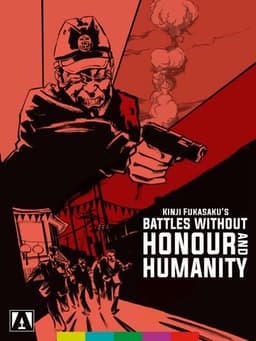
Battles Without Honor and Humanity
(1973)When Battles Without Honour and Humanity first hit Japanese screens in January 1973, partially inspired by the success of The Godfather, it blasted out a new Ground Zero for crime cinema not only in Japan, but in the rest of the world, and spawned a legendary series that would lead to additional episodes, spin-offs, and countless imitations. 1947. Ex-soldier Shôzô Hirono (Bunta Sugawara), after proving his ability with a gun, emerges from the teeming black markets of postwar Kure City into the professional world of the yakuza. Shôzô makes his way from prison to boss in the newly-formed Yamamori family via gang feuds, assassinations and the shifting allegiances of his fellow mobsters, despit his own growing disillusionment with the men he is supposed to respect. Based on the true account of a Hiroshima mob boss and supplemented by meticulous research by screenwriter Kazuo Kasahara, this ferocious, violent saga was directed in a dynamic, newsreel-like style by Kinji Fukasaku, and stunned cinemagoers in Japan upon its release. Like a head-spinning mixture of Martin Scorsese and Paul Greengrass, the film’s frenetic cinematography, colourful characters, and iconic score by Toshiaki Tsushima will leave you thrilled and exhausted, as you embark on one of the world’s greatest gangster film series.
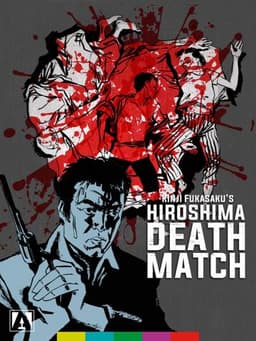
Battles Without Honor and Humanity: Deadly Fight in Hiroshima
(1973)The celebrated Battles Without Honour and Humanity series continues with its second episode, Hiroshima Death Match, setting aside part one protagonist Shôzô Hirono (Bunta Sugawara) to follow a side story showcasing genre icons Sonny Chiba (The Street Fighter) and Meiko Kaji (Female Prisoner 701: Scorpion). Hiroshima, 1950. Demobilised kamikaze pilot Shôji Yamanaka (Kinya Kitaôji) is released from prison and finds himself hungry and broke. Following a bust up with a local gang, he earns the psychotic wrath of local underboss Ôtomo (Chiba), but Yamanaka’s suicidal impulses are soon put to good use as a hitman for another gang, befriending series hero Shôzô Hirono in the process. Despite a budding but forbidden romance with the boss’s niece (Kaji), Yamanaka’s instability and recklessness soon begin to make him a dangerous liability. Taking an even more fatalistic turn than the series’ original entry, Hiroshima Death Match tells the story of the ultimate loser, based on a true story uncovered by screenwriter Kazuo Kasahara while interviewing real-life Hiroshima yakuza for part one. A prosperous era may be dawning for the protagonists, but one with new characters and new grudges to draw them more deeply into its world of blood and betrayal.
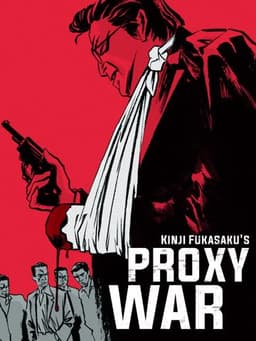
Battles Without Honor and Humanity: Proxy War
(1973)Yakuza boss Shozo Hirono must choose his alliances carefully as the local gangster family affiliations prove themselves to be wildly unstable, causing gang conflicts to escalate.

Battles Without Honor and Humanity: Police Tactics
(1974)Conflicts between Hirono's family and Yamamori's family (and their allies) are made more tense by the ambitious underlings and the police's efforts to impose a crackdown on the gangs.
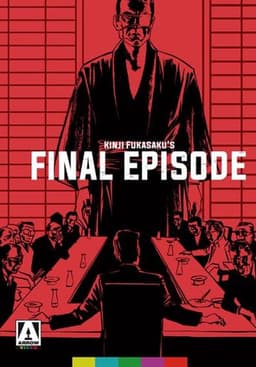
Battles Without Honor and Humanity: Final Episode
(1974)The Final Episode of the Battles Without Honour and Humanity series brought a new, more contemporary mood to the film and its characters. The yakuza may be starting to resemble a legitimate business, but director Kinji Fukasaku, working with new screenwriter Kôji Takada, never lets the audience forget their violent origins, and their tried-and-true methods of accomplishing their business. 1966. After a police crackdown, the gangs of Hiroshima and Kure have formed a massive, multi-family political and economic alliance called the Tensei Coalition, seeking a way forward into the 1970’s as part of Japan’s economic bubble. Shôzô Hirono (Bunta Sugawara) finds himself increasingly alienated from this semi-legitimate form of corruption, particularly as acting Tensei Coalition chairman Matsumura (Kinya Kitaôji) tries to put the gangs on a new, more business-like path. But old habits die hard, and when rivalries surface once again, they bring with them the promise of more bloodshed. The long-awaited conclusion to the epic series is an elegy for the bad guy, with the harsh realisation that Japan’s economic growth came about only through the sacrifice of the blood of its young men, victims of twenty long years of Battles Without Honour and Humanity.

Cops vs. Thugs
(1975)Considered by many to be director Kinji Fukasaku's greatest single-film achievement in the yakuza genre, Cops vs Thugs was made at the height of popularity of Toei Studios' jitsuroku boom: realistic, modern crime movies based on true stories taken from contemporary headlines. Returning to the screen after completing their Battles Without Honor and Humanity series together, Fukasaku joined forces once again with screenwriter Kazuo Kasahara, composer Toshiaki Tsushima and star Bunta Sugawara to create one of the crowning achievements of his career, and a hard-boiled classic which is still ranked as one of the best Japanese films of the 1970's. It's 1963 in the southern Japanese city of Kurashima, and tough-as-nails detective Kuno (Sugawara) oversees a detente between the warring Kawade and Ohara gangs. Best friends with Ohara lieutenant Hirotani (Hiroki Matsukata), he understands that there are no clear lines in the underworld, and that everything is colored a different shade of gray. But when random violence interrupts the peace and an ambitious, by-the-books lieutenant (Tatsuo Umemiya) comes to town, Kuno's fragile alliance begins to crumble. Greedy bosses and politicians alike seize the opportunity to wipe out their enemies, and Kuno faces the painful choice of pledging allegiance to his badge and keeping a promise to his brother. Echoing the great crime films of Sidney Lumet and Jean-Pierre Melville, in Fukasaku's world, there's no honor among thieves or lawmen alike, and the only thing that matters is personal honor and duty among friends. Kasahara's shattering screenplay and Fukasaku's dynamic direction support an all-star, ensemble cast to create one of the most exciting, and deeply moving films about cops and criminals ever made.
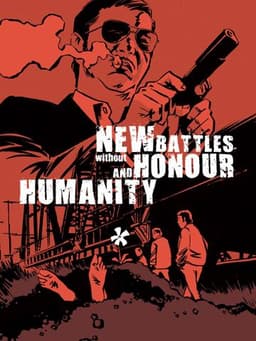
New Battles Without Honor and Humanity 1
(1974)Bunta Sugawara is Miyoshi, a low-level assassin of the Yamamori gang who is sent to jail after a bungled hit. While in stir, family member Aoki (Lone Wolf and Cub's Tomisaburo Wakayama) attempts to seize power from the boss, and Miyoshi finds himself stuck between the two factions with no honourable way out
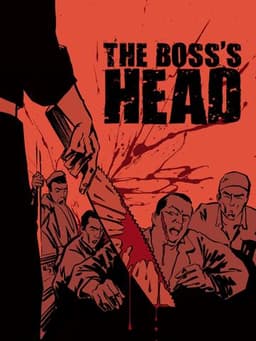
New Battles Without Honor and Humanity 2: Head of the Boss
(1975)In the second entry, The Boss's Head, Sugawara is Kuroda, an itinerant gambler who steps in when a hit by drug-addicted assassin Kusunoki (Tampopo's Tsutomu Yamazaki) goes wrong, and takes the fall on behalf of the Owada family, but when the gang fails to make good on financial promises to him, Kuroda targets the family bosses with a ruthless vengeance
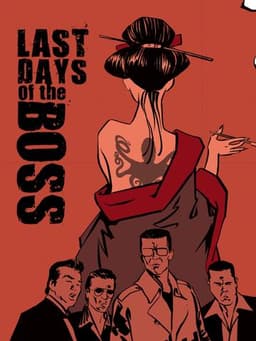
New Battles Without Honor and Humanity 3: Last Days of the Boss
(1976)Nozaki, a labourer who swears allegiance to a sympathetic crime boss, only to find himself elected his successor after the boss is murdered. Restrained by a gang alliance that forbids retributions against high-level members, Nozaki forms a plot to exact revenge on his rivals, but a suspicious relationship with his own sister taints his relationship with his fellow gang members
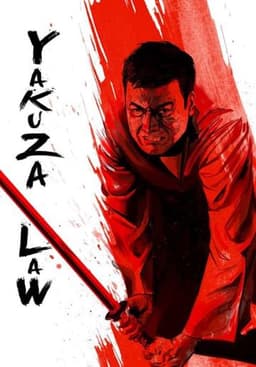
Yakuza Law
(1969)A story of yakuza lynching during the Edo, Taisho, and Showa periods.
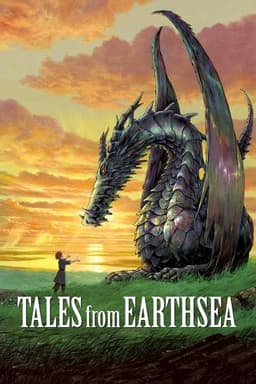
Tales from Earthsea
(2006)As crops dwindle and dragons reappear, mankind stands on the verge of total chaos. A wizard and a young prince search for the force behind the imbalance that threatens to destroy the land of Earthsea, based on Ursula K. Le Guin’s series.