Kunie Tanaka
18 titles
Filmography
18 results
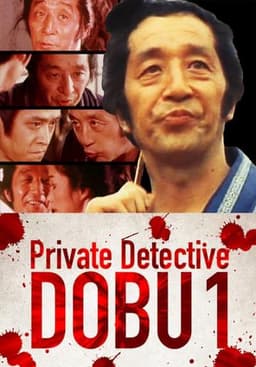
Private Detective DOBU 1
(1981)An ex-soldier turned detective investigates the murder of three vagrants with the help of his friends, discovering a link to a timber seller’s grudge.

Private Detective DOBU 5: The Pinwheel Murder Case
(1983)When two thugs are killed, a samurai investigates the murders and begins to suspect that a hidden mastermind is influencing the magistrate.
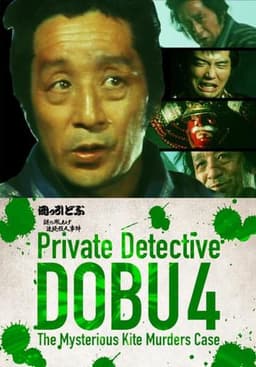
Private Detective DOBU 4: The Mysterious Kite Murders Case
(1983)A wave of murders hits Edo during autumn targeting people linked to an old case. A samurai investigates and learns that someone he loves is involved.
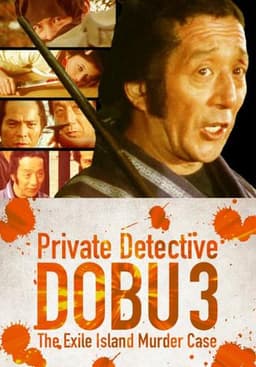
Private Detective DOBU 3: The Exile Island Murder Case
(1982)When six exiles return to Edo, four are mysteriously killed. The two survivors and a samurai try to uncover the hidden motive behind the murders.
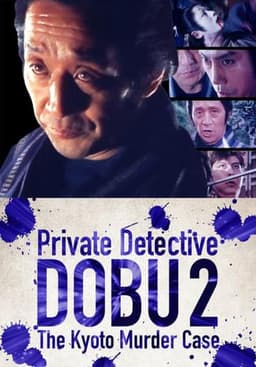
Private Detective DOBU 2: The Kyoto Murder Case
(1982)An Edo samurai’s daily routine of getting drunk is disrupted when he is tasked with investigating a string of murders targeting nobles in Kyoto.
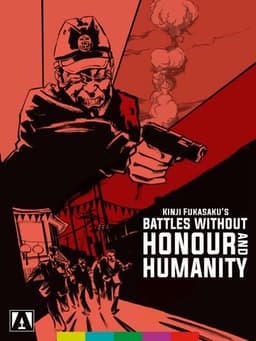
Battles Without Honor and Humanity
(1973)When Battles Without Honour and Humanity first hit Japanese screens in January 1973, partially inspired by the success of The Godfather, it blasted out a new Ground Zero for crime cinema not only in Japan, but in the rest of the world, and spawned a legendary series that would lead to additional episodes, spin-offs, and countless imitations. 1947. Ex-soldier Shôzô Hirono (Bunta Sugawara), after proving his ability with a gun, emerges from the teeming black markets of postwar Kure City into the professional world of the yakuza. Shôzô makes his way from prison to boss in the newly-formed Yamamori family via gang feuds, assassinations and the shifting allegiances of his fellow mobsters, despit his own growing disillusionment with the men he is supposed to respect. Based on the true account of a Hiroshima mob boss and supplemented by meticulous research by screenwriter Kazuo Kasahara, this ferocious, violent saga was directed in a dynamic, newsreel-like style by Kinji Fukasaku, and stunned cinemagoers in Japan upon its release. Like a head-spinning mixture of Martin Scorsese and Paul Greengrass, the film’s frenetic cinematography, colourful characters, and iconic score by Toshiaki Tsushima will leave you thrilled and exhausted, as you embark on one of the world’s greatest gangster film series.
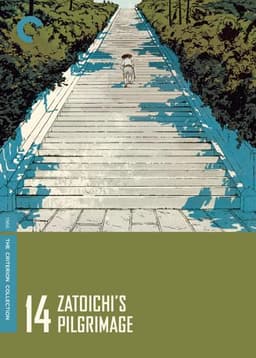
Zatoichi's Pilgrimage
(1966)Troubled by his violent past, Zatoichi begins a journey to a series of shrines for a dose of cleansing spirituality. But as always, trouble isn't far behind, and the blind swordsman soon finds himself defending a widow from the self-interest of ruthless thugs and townsfolk. Written by Kaneto Shindo, this fourteenth entry is a scathing attack on the upper classes and those who wield power.
Evil of Dracula
(1974)A new professor at a secluded girls’ school uncovers the secret history of its mysterious principal, all the while juggling the affections of his students, some of whom happen to be vampires.

Sword of the Beast
(1965)
Battles Without Honor and Humanity: Police Tactics
(1974)Conflicts between Hirono's family and Yamamori's family (and their allies) are made more tense by the ambitious underlings and the police's efforts to impose a crackdown on the gangs.
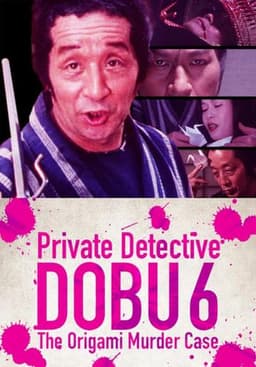
Private Detective DOBU 6: The Origami Murder Case
(1983)When a series of murders targets the city’s peddlers and monks, a samurai investigates the killings with the help of a unique clue.

Pitfall
(1962)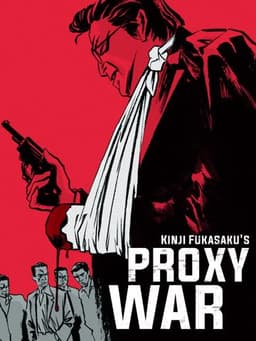
Battles Without Honor and Humanity: Proxy War
(1973)Yakuza boss Shozo Hirono must choose his alliances carefully as the local gangster family affiliations prove themselves to be wildly unstable, causing gang conflicts to escalate.

The Last Ronin
(2010)In 18th century Japan, a samurai traverses the country on a mission to tell the story of a revenge operation in which he was the sole survivor.
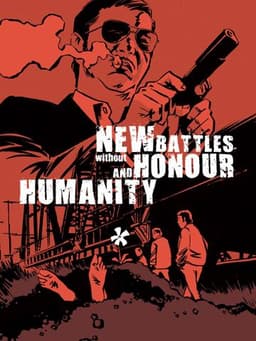
New Battles Without Honor and Humanity 1
(1974)Bunta Sugawara is Miyoshi, a low-level assassin of the Yamamori gang who is sent to jail after a bungled hit. While in stir, family member Aoki (Lone Wolf and Cub's Tomisaburo Wakayama) attempts to seize power from the boss, and Miyoshi finds himself stuck between the two factions with no honourable way out

The Human Condition II: Road to Eternity
(1959)
Graveyard of Honor
(1975)Set during the turbulent post-war years, Fukasaku's original 1975 film charts the rise and fall of real-life gangster Rikio Ishikawa (Tetsuya Watari, Outlaw Gangster VIP). Shot through with the same stark realism and quasi-documentarian approach as Fukasaku's earlier 'Battles Without Honor and Humanity', Fukasaku nonetheless breaks new ground through his portrayal of a gangster utterly without honor or ethics, surviving by any means necessary in a world of brutal criminality.
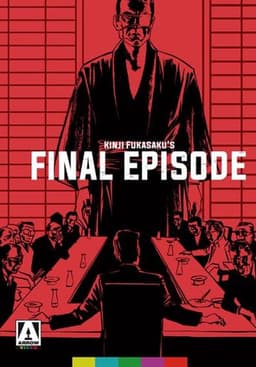
Battles Without Honor and Humanity: Final Episode
(1974)The Final Episode of the Battles Without Honour and Humanity series brought a new, more contemporary mood to the film and its characters. The yakuza may be starting to resemble a legitimate business, but director Kinji Fukasaku, working with new screenwriter Kôji Takada, never lets the audience forget their violent origins, and their tried-and-true methods of accomplishing their business. 1966. After a police crackdown, the gangs of Hiroshima and Kure have formed a massive, multi-family political and economic alliance called the Tensei Coalition, seeking a way forward into the 1970’s as part of Japan’s economic bubble. Shôzô Hirono (Bunta Sugawara) finds himself increasingly alienated from this semi-legitimate form of corruption, particularly as acting Tensei Coalition chairman Matsumura (Kinya Kitaôji) tries to put the gangs on a new, more business-like path. But old habits die hard, and when rivalries surface once again, they bring with them the promise of more bloodshed. The long-awaited conclusion to the epic series is an elegy for the bad guy, with the harsh realisation that Japan’s economic growth came about only through the sacrifice of the blood of its young men, victims of twenty long years of Battles Without Honour and Humanity.