Akira Kobayashi
6 titles
Filmography
6 results

Retaliation
(1968)In 1969 future sexploitation specialist Yasuharu Hasebe (Stray Cat Rock: Sex Hunter) teamed up with the inimitable Jô Shishido (Branded to Kill, Youth of the Beast) for a follow up to their yakuza hit Massacre Gun. A tale of gang warfare that features a raft of the period’s most iconic stars, Akira Kobayashi (Battles Without Honor and Humanity, The Flowers and the Angry Waves) is a yakuza lieutenant who emerges from jail to find his gang dispersed and his ageing boss in his sickbed. Shishido is the rival waiting to kill him and a young Meiko Kaji (Lady Snowblood) is the girl caught in the crossfire. Gritty and cynical, Retaliation is a hardboiled precursor to Kinji Fukasaku’s revisionist yakuza pictures of the 1970s.

The Perfect Game
(1958)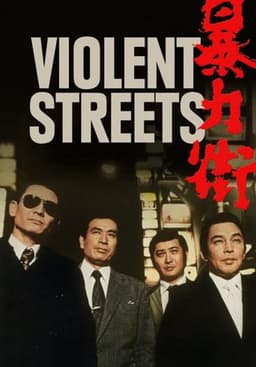
Violent Streets
(1974)A retired yakuza underboss is pulled back into the life he left behind when he's caught in the middle of a bloody war between two rival clans.
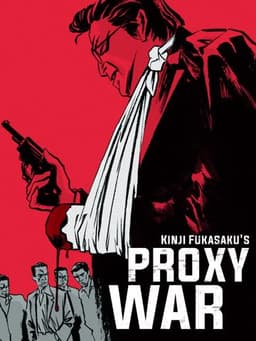
Battles Without Honor and Humanity: Proxy War
(1973)Yakuza boss Shozo Hirono must choose his alliances carefully as the local gangster family affiliations prove themselves to be wildly unstable, causing gang conflicts to escalate.

Rusty Knife
(1958)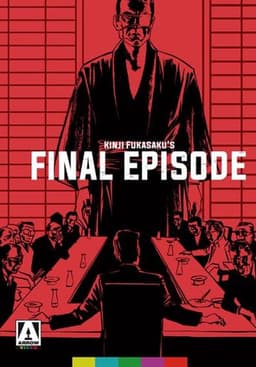
Battles Without Honor and Humanity: Final Episode
(1974)The Final Episode of the Battles Without Honour and Humanity series brought a new, more contemporary mood to the film and its characters. The yakuza may be starting to resemble a legitimate business, but director Kinji Fukasaku, working with new screenwriter Kôji Takada, never lets the audience forget their violent origins, and their tried-and-true methods of accomplishing their business. 1966. After a police crackdown, the gangs of Hiroshima and Kure have formed a massive, multi-family political and economic alliance called the Tensei Coalition, seeking a way forward into the 1970’s as part of Japan’s economic bubble. Shôzô Hirono (Bunta Sugawara) finds himself increasingly alienated from this semi-legitimate form of corruption, particularly as acting Tensei Coalition chairman Matsumura (Kinya Kitaôji) tries to put the gangs on a new, more business-like path. But old habits die hard, and when rivalries surface once again, they bring with them the promise of more bloodshed. The long-awaited conclusion to the epic series is an elegy for the bad guy, with the harsh realisation that Japan’s economic growth came about only through the sacrifice of the blood of its young men, victims of twenty long years of Battles Without Honour and Humanity.